
LED Work Light Lifespan: Validating Long-Life Claims for Buyers
Every datasheet in this category quotes a number — 30,000 Std., 50,000 Std., sometimes more — and almost none of them tell a buyer what that number is measuring. Validating a published led work light lifespan claim is not a matter of trusting the bigger figure; it is a matter of asking which failure mode the figure describes, what test method produced it, and whether the manufacturer can show the aging evidence behind it. For fleet managers standardizing lighting across dozens of machines, and for distributors whose margin dies on warranty returns, the gap between “rated life” and “life you can schedule maintenance around” is where the real cost of a bulk order lands. This guide unpacks what lifespan ratings actually mean, the two separate failure clocks running inside every fixture, the test data a serious buyer should request before signing a purchase order, and how field conditions on real machines compress or protect those numbers.
Key Takeaways
- A lifespan figure is only meaningful with its failure mode attached — “50,000 Std.” can describe lumen depreciation (output slowly falling to 70% of new) or catastrophic failure, and the two are tested and quoted very differently.
- Two clocks run inside every fixture: the LED package degrades gradually with heat and drive current, while the driver’s electrolytic capacitors can fail suddenly — the weaker component sets the real service life.
- Ask for the test trail, not the adjective: LM-80 package data, TM-21 projection method, and the factory’s own aging, thermal-cycling and vibration programs turn a marketing number into a specification.
- Field lifespan is decided by mounting and environment: heat sinking against a bare panel, sealed housings that survive washdown, and protected wiring see far more useful hours than the same fixture hammered onto an unisolated bracket in a quarry.
- Catalog ratings vary by model — XRLL’s product documentation lists most work and warning lights at more than 50,000 hours with several compact models at more than 30,000, always tied to a stated operating temperature band such as −40 °C to +80 °C.
What a “50,000 Hour” Led Work Light Lifespan Claim Actually Measures
Solid-state lighting almost never fails the way a filament lamp does. There is no moment where an LED simply breaks; instead its output declines slowly and predictably, a behavior engineers call lumen depreciation. The industry describes this with maintenance symbols: L70 means the fixture still produces at least 70% of its original light, L80 means 80%, and the B50 subscript says half the tested samples have reached that point by the quoted hours. When a datasheet says “50,000 h (L70/B50),” it is promising roughly 50,000 hours before average output drops to 70% of new — not 50,000 hours before the light dies.
Many budget listings quote bare hours with no symbol at all. That silence is the first thing to question. A number without a maintenance criterion and a test method is a marketing figure, not a specification. Reputable component and fixture documentation — including XRLL’s product catalog — pairs the life figure with the conditions it assumes: an operating temperature band (typically −40 °C to +80 °C environmental on heavy-duty vehicle fixtures) and a statement of what was tested. Where a catalog lists more than 30,000 hours instead of 50,000 — as several compact and combination models do — the difference usually traces to package choice, drive strategy or thermal mass, which is exactly the kind of model-level honesty you want from the manufacturer writing the number.
The Two Failure Clocks Inside Every Work Light
Buyers fixate on the LED chip because that is what the word “LED” puts in the datasheet name. In the field, though, fixtures retire for two independent reasons, and a bulk purchase is only as durable as the shorter of the two clocks.
Clock one: the LED package
Depreciation speed is dominated by junction temperature — the internal temperature of the semiconductor itself, not the housing you can touch. Every degree of junction temperature above design accelerates the phosphor and chip degradation mechanisms that bleed light output. That is why the same nominal “50,000 Std.” can be credible in one fixture and fantasy in another: a die-cast aluminum body with a generous thermal path and a moderate drive current holds a cool junction; a thin housing over-driven for extra initial brightness cooks itself toward L70 in a fraction of the quoted time. Chip provenance matters at the same point — which is why heavy-duty manufacturers standardize on known packages from OSRAM and Cree rather than untraceable alternatives, and why XRLL verifies incoming LED batches as the first of its nine documented QC stages.
Clock two: the driver electronics
The power supply that regulates current to the chips is usually the first component to stop working altogether, and electrolytic capacitors are its aging heart. Capacitor life roughly halves for every 10 °C of sustained internal temperature rise — a rule of thumb every electrical maintenance buyer knows from motor control cabinets that apply directly to a work light bolted to a diesel engine hood. A fixture with an under-specified driver can therefore fail electrically at 15,000 hours while its LEDs still have decades of depreciation curve left. When you validate a led work light lifespan claim, ask which clock the figure refers to, and ask separately about the driver’s rated capacitor temperature and hours.
The Evidence a Buyer Should Request Before a Bulk Order
You do not need a photonics lab to check a supplier’s numbers — you need the documents an engineering-driven factory already keeps. The table below maps each common claim to the evidence that supports or demolishes it.
| Claim on the datasheet | What it should mean | Evidence to request | Red flag |
|---|---|---|---|
| “50,000 h lifespan” | L70/B50-style maintenance point under a defined test condition | Which L/B criterion, at what case or junction temperature, from what test | Bare number, no criterion, no conditions |
| “Long-life LED chips” | Package-level flux-maintenance data from the chip maker | LM-80 test data for the exact package; TM-21 projection to the quoted hours | Chip brand named but no LM-80 available, or only for a different package |
| “Tested for harsh environments” | Aging, thermal cycling, vibration and ingress run on production units | Factory test protocol and pass criteria; inspection records or video of the line | Only IP-rating claims on a clean sample, nothing on aging |
| “Initial output 10,000 lm” | Measured total flux with a maintenance projection behind it | Integrating-sphere report; steady Lumen-per-watt after burn-in | Peak-of-the-moment figures quoted with no burn-in data |
| “Warranty X years” | A commercial backstop on both clocks above | Written terms for your exact model and market; claims-handling process | Warranty language that voids on voltage range or mounting — the field reality |
Of these, the LM-80 / TM-21 pair is the one that most often exposes a hollow claim. LM-80 is an industry test method under which LED packages are run for thousands of hours at elevated temperatures with their output decline recorded; TM-21 is the standard way of projecting those measurements forward to an L-value. A manufacturer that buys quality chips inherits the package maker’s LM-80 data and can quote a defensible projection. One that buys untraceable packages usually cannot produce anything — which tells you the lifespan figure on the datasheet was not derived from anything at all.
What a Real Lifespan-Verification Program Looks Like on the Line
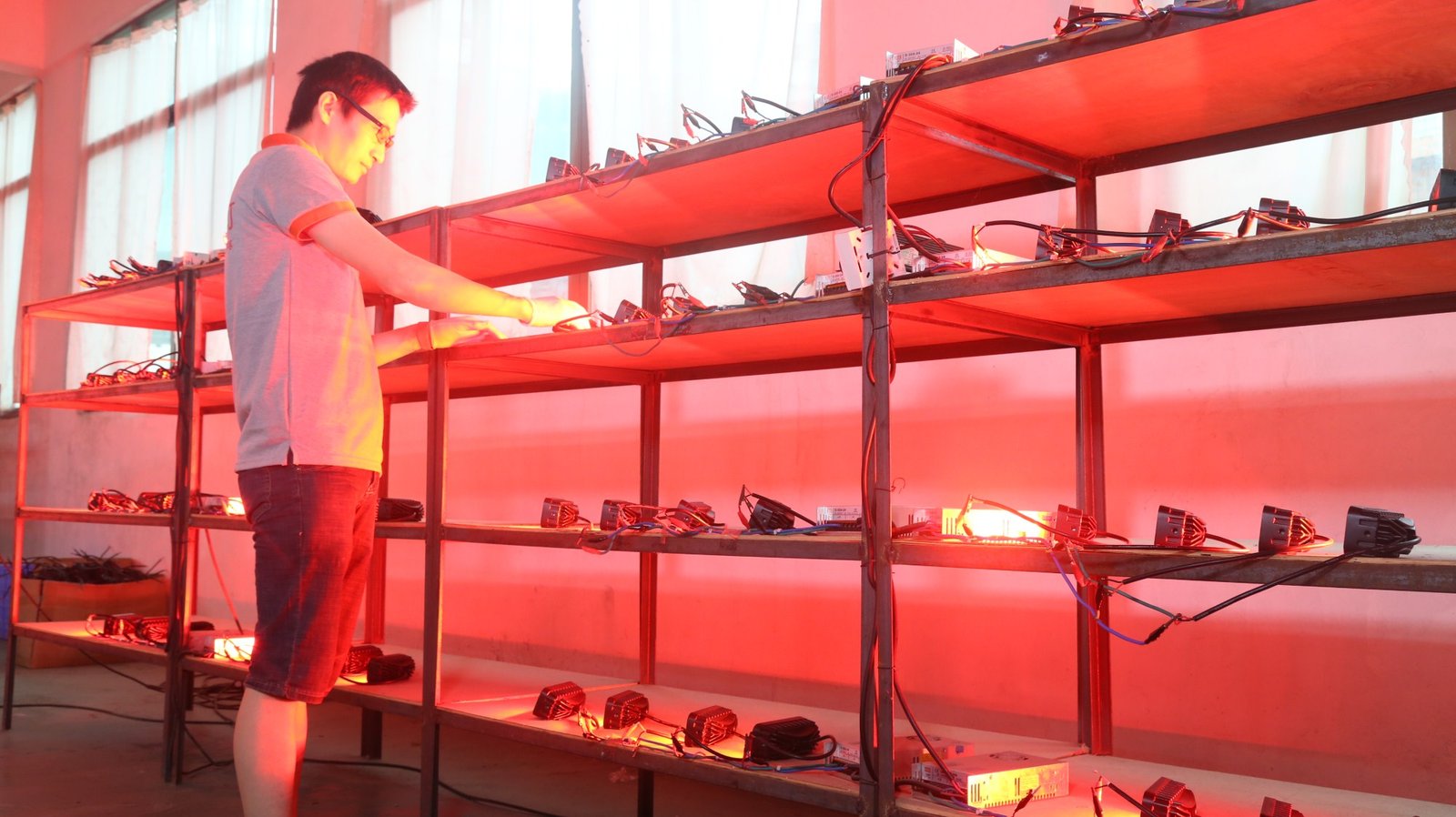
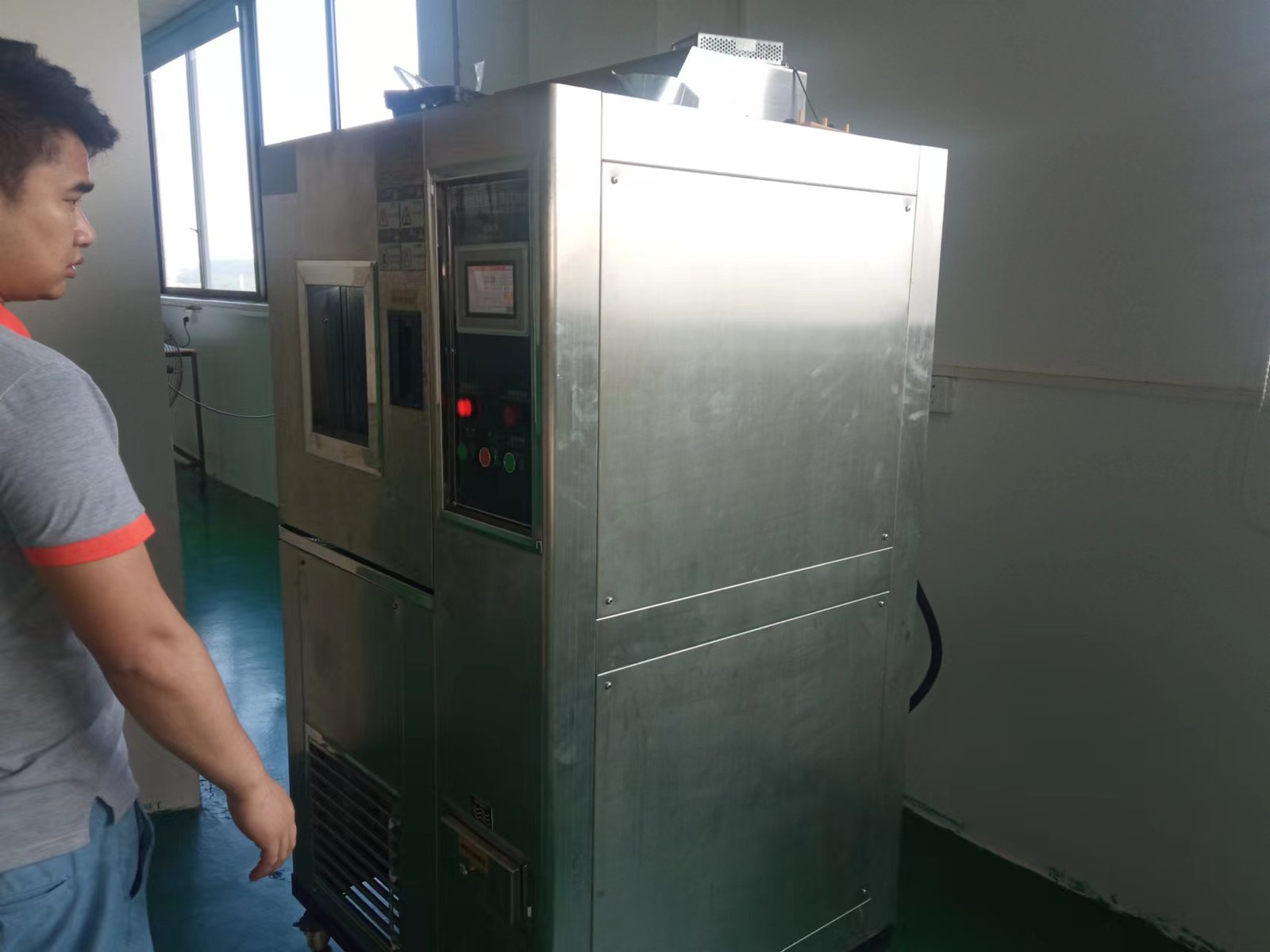
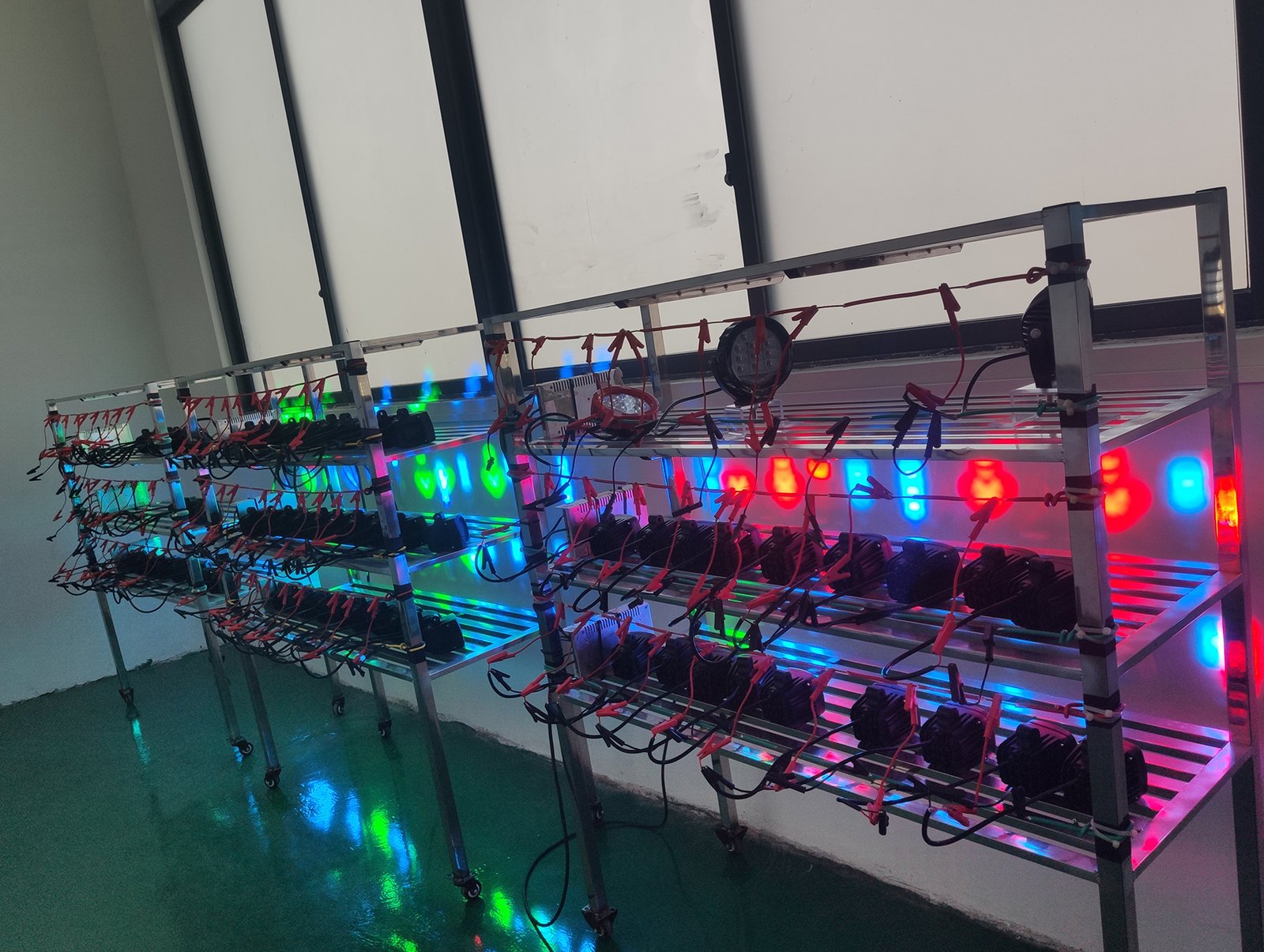
Between the chip-level data and the datasheet claim sits the factory’s own program, and this layer is where vertical manufacturing earns its premium. At a producer running four assembly lines and output above 10,000 units per day in Foshan, lifespan verification is not one test but a chain of them. Incoming LED batches are authenticated against the OSRAM/Cree specification before anything is built on them. Assembled fixtures go through powered burn-in — units run hot for hours to shake out early-life infant failures before they reach a shipping container. High-and-low temperature cycling pushes prototypes and production samples across the full stated operating band, because a seal that is tight cold can weep open at 80 °C and a driver that survives a bench at 25 °C may not at −30 °C on a frozen yard. Optical benches measure flux and beam on an integrating sphere so depreciation claims start from a real baseline, and vibration and sealing stations confirm the mechanical and ingress margins that keep the tested unit as good as the measured one through years of duty.
XRLL’s nine-stage QC line maps onto exactly these mechanisms — chip authentication, PCB and driver inspection, solder and assembly checks, IP68-class sealing verification, flux and beam measurement, thermal aging, vibration and shock, electrical safety, and a pre-shipment gate. When you audit any China-based supplier, ask them to walk you through the equivalent chain, on video if you cannot visit. A factory that has the program will answer with station names and pass criteria; a trading company retrofitting a datasheet will answer with the number again.
How Field Conditions Edit the Number After You Buy
The honest reading of any lifespan rating is conditional: valid at the tested thermal and electrical environment. Two identical fixtures can retire years apart based on decisions a purchasing office makes once and maintenance never revisits.
Thermal mounting. A work light bolted to a painted panel with an insulating pad runs hotter at its junction than the same unit on a bare conductive surface or its own heat-sinked bracket. The depreciation curve is unforgiving about the difference.
Electrical environment. Load dump on 24 V diesel machines, cold-crank sags, and spliced accessories wiring put transient stress straight into the driver — the same pulses that CISPR-grade automotive testing exists to characterize. Fixtures specified for a 10–80 VDC input band with internal protection shrug this off; ones rated at a single nominal voltage do not last the quote out.
Ingress aging. An IP rating measures a clean, new sample. Pressure-washing a beveled gasket with a lance, or letting abrasive dust pack a seal face, ages the sealing system long after the digits on the datasheet suggested it was safe — the difference between rated hours and real hours in quarries and wash-down depots is mostly a sealing-maintenance story, covered in detail in the IP67 vs IP68 comparison.
Drive margin. Specify the light for the task rather than the brightest catalog entry forced into every position. A properly matched fixture from a documented wattage application guide runs cooler and further from its current ceiling, which is the cheapest lifespan extension available and costs nothing but a selection decision.
Writing the Lifespan Requirement into the Purchase
Once you can read claims properly, the procurement step is short. State the maintenance criterion you require (L70 minimum at the quoted hours), the ambient band the equipment will see, the evidence package you want with the quote, and the warranty terms for your model and market. Then compare suppliers on total cost of ownership — fixture price plus expected replacement labor on your own machines, since a light changed at 12,000 hours on a loader costs several fixtures in labor alone before the part is even counted. For heavy-use duty cycles in mining, quarry and port service, start from equipment-matched specifications like those documented on the XRLL mining and quarry solutions page, and see the full model-level life ratings across the range on the LED work light product line.
Put Your Duty Cycle Against the Test Data
Send the XRLL engineering desk your equipment type, mounting position, voltage system and annual operating hours. You will receive model-by-model lifespan documentation from the product catalog — life ratings, operating temperature bands and chip platforms — along with the factory’s aging and verification protocol from a Foshan manufacturer running nine documented QC stages across 17,000 m² and four production lines, with a quote answered in 24 Std..
E-Mail: service02@xrlledlight.com · Phone/WhatsApp: +86-15818025687
Frequently Asked Questions
What does led work light lifespan mean on a datasheet?
Usually lumen maintenance rather than failure: the point, such as L70/B50, at which half of tested units have declined to 70% of initial output. Because some suppliers quote the same figure style for total electrical failure, always confirm which event the hours describe and under what test conditions — the same number supports very different claims.
Is 50,000 hours realistic for an LED work light?
Yes as a depreciation projection for a properly engineered fixture: 50,000 hours at eight daily hours is about seventeen years of service before output reaches 70% of new, which quality packages with documented LM-80 data support. The realistic caveats are the driver capacitors, which can end the fixture’s electrical life sooner, and field thermal and vibration conditions, which is why the maintenance criterion and the test trail matter more than the headline hours.
What is LM-80 and why do buyers ask for it?
LM-80 is the industry test method in which LED packages run for thousands of hours at elevated case temperatures while their light-output decline is recorded; TM-21 is the standard for projecting that data forward to an L-value. A manufacturer that buys genuine OSRAM or Cree packages inherits this data and can show it. A buyer who cannot get LM-80 documentation for the exact package in the fixture has no way to check the life claim at all.
Which lasts longer, the LED chips or the driver?
In heavy-duty fixtures, the chips usually outlive the driver. Quality LED packages depreciate gradually over tens of thousands of hours, while electrolytic capacitors inside the power supply age with heat and can fail suddenly — their rated temperature and hours roughly halve the achievable life with every sustained 10 °C above spec. Ask for the driver’s capacitor rating alongside the LED projection, and treat the shorter of the two as the fixture’s real lifespan.
Do all models in a product line share the same lifespan rating?
NEIN, and a line that says so is a warning sign. In XRLL’s product catalog, most work and warning lights are documented above 50,000 hours while several compact and combination models carry above 30,000-hour ratings, each with its own operating temperature band and chip platform. Model-level ratings are exactly the evidence you want a supplier to disclose — it shows the figures were derived per design rather than written once for the brochure.


