
Truck LED Light Lifespan: Validating Long-Life Claims for Fleets
Fleet maintenance managers hear the pitch in every supplier meeting: our truck lights are engineered to outlive the vehicle. Then the invoice arrives, the first winter of road salt and wash-bay shocks begins, and a dozen units on the returns shelf say otherwise. Verifying a truck light lifespan claim is not about finding the biggest number on a datasheet — it is about asking which failures the claim describes, what test evidence backs it, and whether the supplier can show how the fixture was aged, shaken, soaked and salt-tested before it was called durable. This article is written for the person who owns downtime and warranty costs, not for the person who buys one lamp for one pickup: what kills lighting on trucks specifically, what a real verification programme looks like, and the question list to run before standardising any SKU across a fleet.
Principais conclusões
- Trucks age lighting differently from every other machine class: continuous hours-wide vibration, deep thermal cycles between engine heat and frozen road spray, salt and high-pressure water, and a violent electrical environment — a fixture validated for stationary work is not automatically validated for a tractor unit.
- Two separate failure clocks run inside every lamp: gradual lumen depreciation in the chips, and sudden death of the driver electronics or the seal. Fleets almost always retire a truck light to the second clock, which is the one datasheets under-document.
- A credible lifespan claim comes with process evidence, not adjectives: incoming component inspection, thermal aging runs, vibration and shock testing, water ingress and corrosion testing, and electrical protection testing — with records tied to the production batch.
- The only lifespan data that matters to a fleet is your own: track failures per unit-year by SKU through a staged trial, and let the maintenance file — not the marketing page — set reorder decisions.
- Warranty terms, replacement lead times and bin consistency are what convert “long-life” from a claim into an economic one; get them in writing before standardising.
The Two Clocks — and Why Trucks Race the Second One
LED lighting fails on two independent schedules. The slow clock is lumen depreciation: semiconductors and phosphors dim gradually with heat and time, which is why serious specifications talk in maintenance terms — the industry’s L70-style language describes when output has fallen to a stated share of new. The fast clock is catastrophic failure: a driver component opens, a solder joint fatigues through vibration, moisture crosses a seal and corrodes a board. The worklight-side mechanics of both clocks, including how to read lumen-maintenance claims, are laid out in our guide to validating LED work light lifespan claims; this article takes the next step and asks what happens when you put the same fixture on a truck.
The honest answer is that trucks attack the fast clock. A slowly dimming lamp is a cosmetic complaint; a truck light that dies at 2 a.m. in a rest area is a DOT-visible outage, a roadside stop, or a load working blind. Fleet economics care almost entirely about when units die, not when they dim — which is exactly the number most suppliers cannot or will not document.
Four Stressors That Make Truck Duty Different
Vibration: all-day resonance, not yard shaking
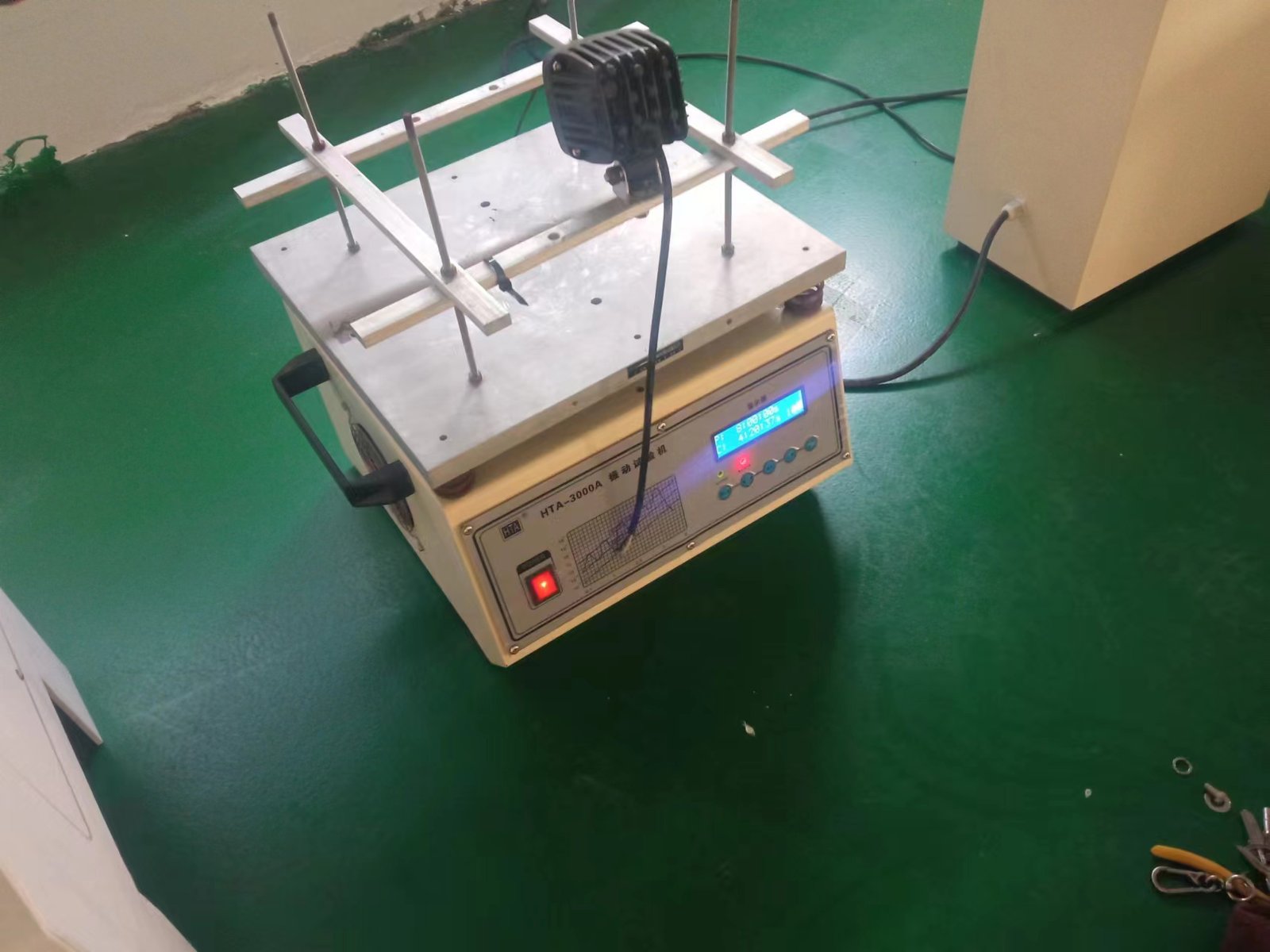
A forklift vibrates in short, low-speed bursts; a tractor unit lives inside broadband vibration for ten hours a day — engine orders at idle, driveline harmonics through the frame, and road-input shocks at the cab mounts and outer mirrors where lights actually sit. Over months, that combination fatigues solder joints, walks screws loose out of brackets, and shakes potting compound away from heat paths. Solder-joint fatigue is the failure mode vibration testing exists to find, and a supplier who has never run fixtures on a shaker table is asking your fleet to be the test bench.
Thermal cycling: bake and freeze, repeatedly
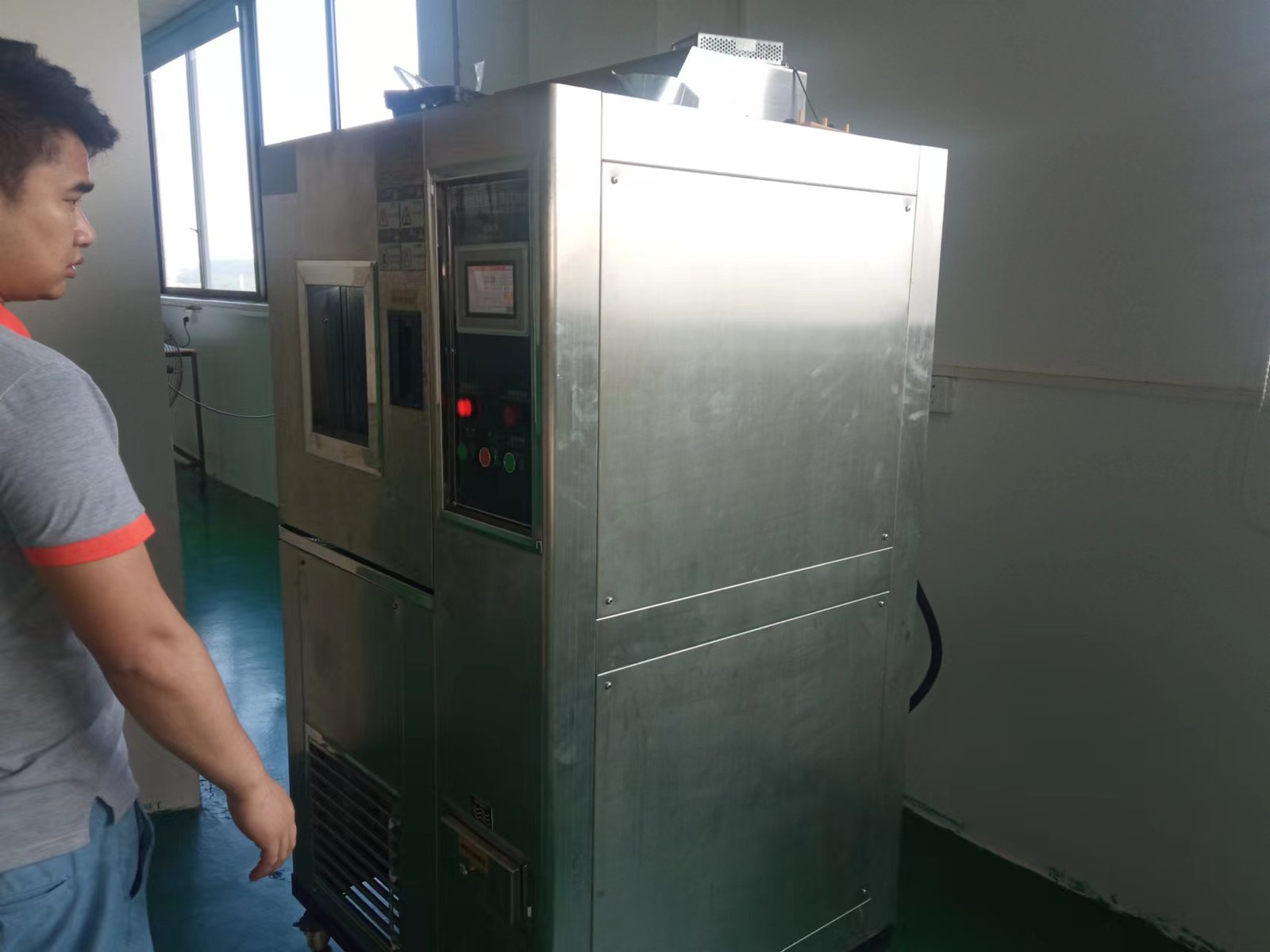
Truck lighting swings harder than most equipment lighting. A lamp runs hot for hours in July radiant heat off asphalt, cools near freezing overnight, thaws in a heated yard, then sits through a hot high-pressure wash. Every cycle flexes the seal, the lens and the board materials at different rates — and interfaces are where leaks start. Housing temperature discipline during design matters here too; the thermodynamics are covered in our explainer on heat dissipation and thermal design, and thermal aging between temperature extremes is the factory-side counterpart.
Water, salt and corrosion
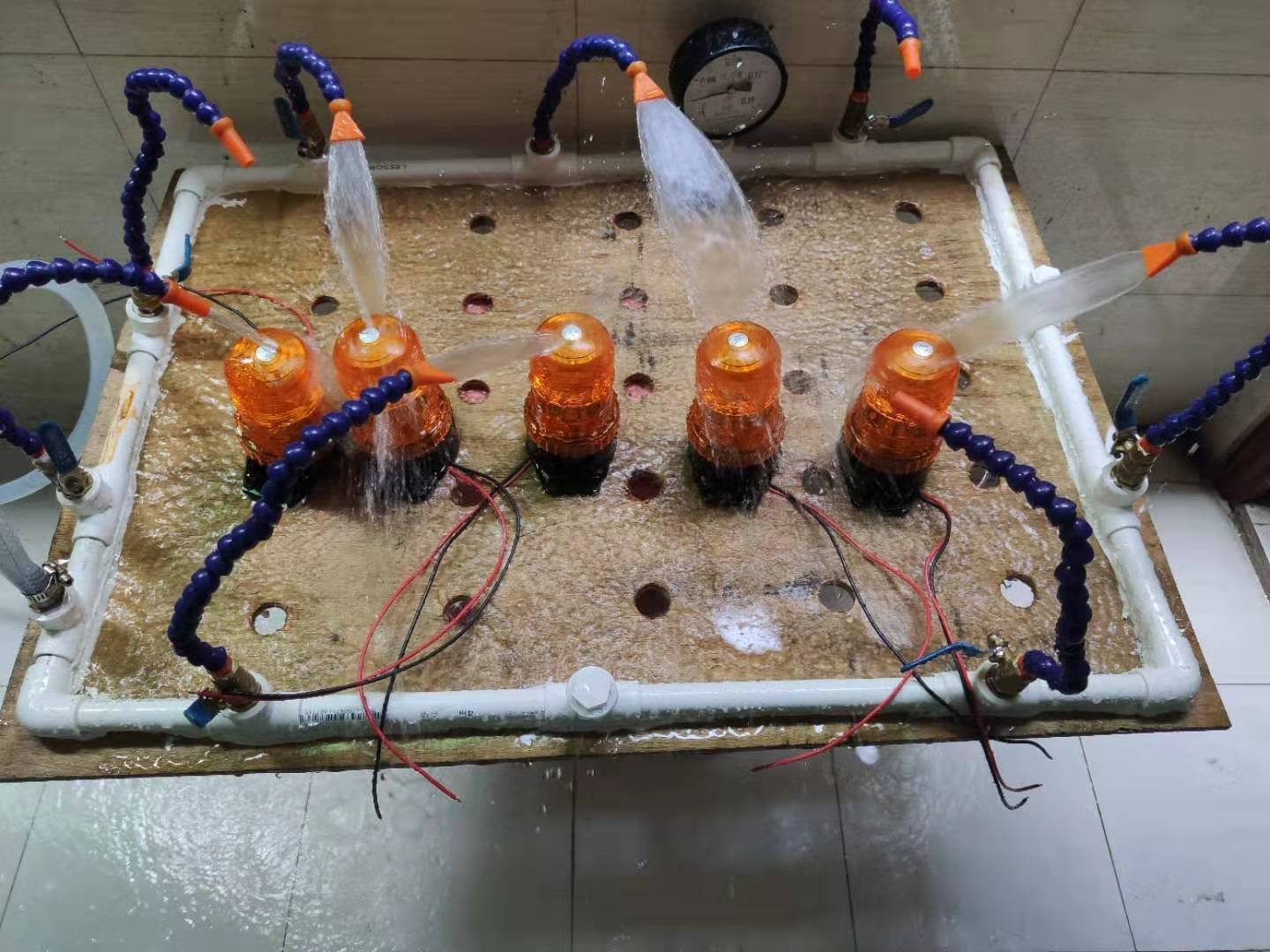
Winter roads are salt rivers; coastal fleets add salt air on top. Connectors, screw threads, lens gaskets and the seam between housing and bezel all corrode at different speeds, and a fixture that passed its ingress test on day one is a different animal after a winter of brine immersion at the fender line. Corrosion evidence — salt-fog testing on finished units, not just material certificates — belongs in the lifespan conversation for any fleet that operates north of the frost line.
The electrical environment
Trucks are electrically violent places: cold-crank voltage dips, alternator load-dump spikes, load switching transients, e 12 V/24 V mixed fleets that spend their lives outside nominal figures. Driver electronics rated only for a clean bench supply die here first. That is why input-range tolerance and transient protection are lifespan features, not compatibility features — the mechanics of which we break down in our guide to 9–36 V wide-voltage designs for fleet compatibility.
What a Real Verification Programme Looks Like
You do not need the supplier to quote you a big number. You need them to show you the gauntlet the fixture ran before it earned the right to claim one. Compressed into a purchasing checklist, a truck-duty verification programme includes:
- Incoming component inspection. LED chips and driver parts verified on receipt, with records — the batch that fails inspection never reaches an assembly line.
- Sealing verification on finished units. IP-style ingress testing performed on assembled fixtures, because the seal is a build quality, not a datasheet value.
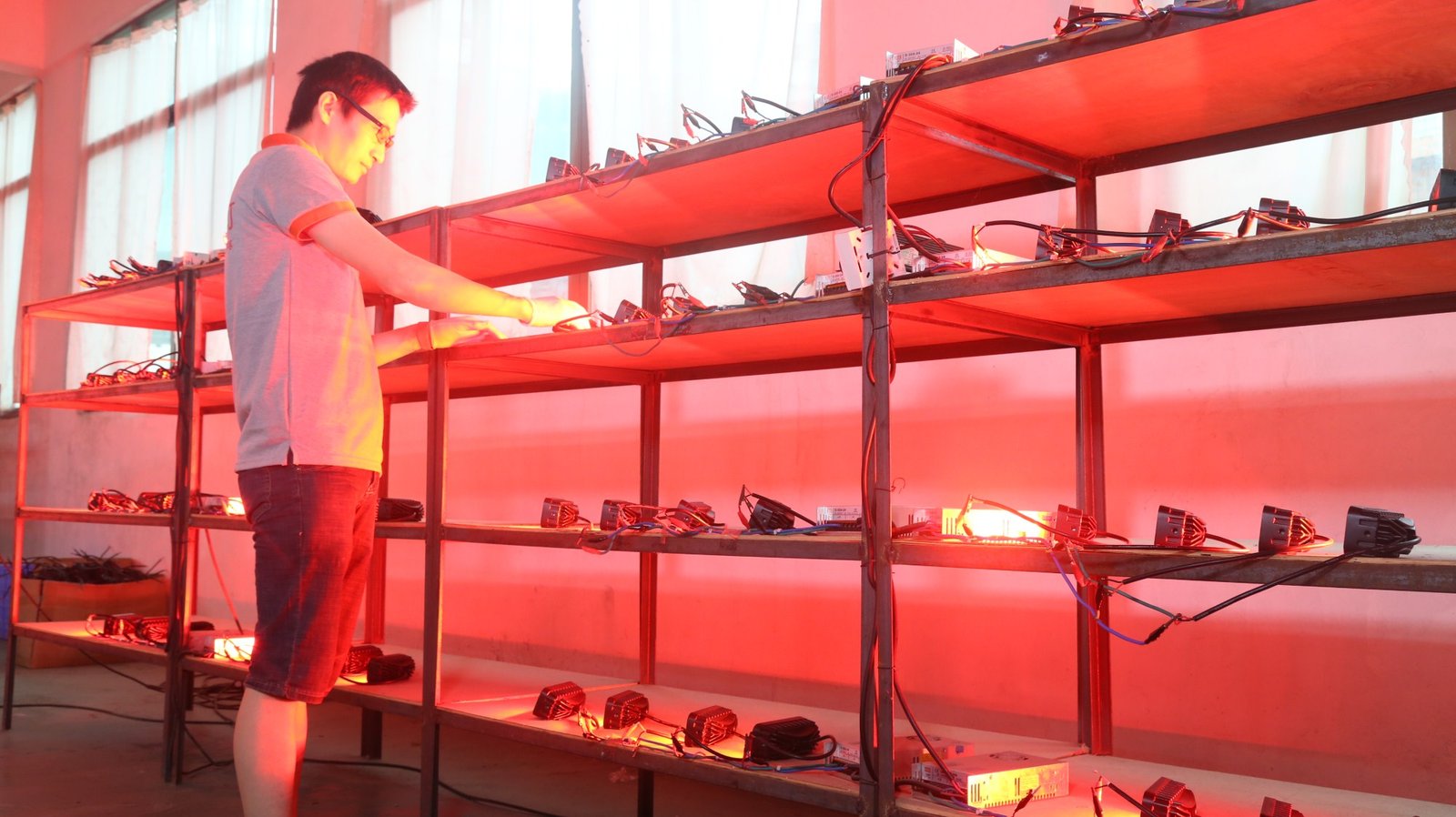
- Photometric and burn-in runs. Output measured and fixtures aged under temperature before shipment, so early-life failures die on the bench, not on your truck.
- Thermal cycling and vibration/shock testing. The two truck-specific accelerators above, run on the actual housing design you are buying.
- Corrosion evidence. Salt-fog exposure on finished hardware for winter-market SKUs.
- Pre-shipment audit. A final documented check that what ships matches what was tested.
This is the shape of XRLL’s nine-step quality chain, from incoming chip verification through PCB and driver checks, assembly, IP68 sealing tests, photometric output testing, high-and-low temperature aging, vibration and shock testing, electrical safety checks, and a final pre-shipment inspection — and every step generates the records a buyer can ask to see. On the manufacturing side, that process runs inside a 17,000 m² owned plant with four assembly lines, which matters for lifespan claims for one specific reason: the factory that builds its own tooling and tests its own boards cannot quietly change the build between your orders.
Turning Verification into a Fleet Decision
Even a fully evidenced programme leaves one number you have to generate yourself: how the fixture performs on your vehicles. The disciplined path is short.
| Stage | What you do | What it proves |
|---|---|---|
| 1. Paper screen | Request the six verification records above; reject vague “high-quality, long-life” wording | Whether the supplier tests for truck duty or borrows passenger-car evidence |
| 2. Staged trial | One SKU across 10–20 vehicles in the hardest duty (winter route, night haul, coastal) | Real failure behaviour before a fleet-wide standardisation |
| 3. Unit-year tracking | Log every lamp failure per model year against VIN and mount position in the maintenance system | Your own lifespan data — the only series a supplier cannot argue with |
| 4. Cost landing | Convert failures into roadside hours, towing, and cancelled loads, not just replacement units | Whether the purchase-price premium or the discount actually costs less |
| 5. Standardise with teeth | Written warranty terms, replacement lead time, batch traceability and bin consistency per order | The claim becomes an economic contract instead of a hope |
Two fields on that final line deserve emphasis. Batch traceability means the supplier can tie a failure back to the components and test records of the build week — without it, root-cause analysis is fortune-telling. Bin consistency means replacements match the original installed look and output, which matters when a fleet standardises on a marker and running-light programme; the upgrade economics of that conversion are worked through in our guide to LED running-light upgrades for fleet operators.
Where Fleet Lighting Decisions Get Made
Lifespan is ultimately a total-cost argument, and total cost lives in the operating profile — routes, seasons, uptime requirements and the labour rates of whoever climbs a ladder at midnight to swap a dead unit. Our fleet & transportation solutions page frames the same question from the operations side: which fixtures belong on which vehicle class, and what standardising a lighting pool across mixed tractors, straights and refrigerated units does to spares and labour.
The buyers who stop losing money to lighting are the ones who treat durability claims as an evidence file and a trial protocol, not a slogan. Ask for the records, run the hardest-duty trial, count unit-years, price the downtime — and standardise only what survives all four. Every supplier claim on this page’s topic is testable; run it.
Run the trial before the fleet standardises
Tell us your duty cycle — routes, climate, voltage, mounting positions — and XRLL will walk you through the verification records for the matching SKUs, support a staged trial with traceable batches, and put warranty and replacement terms in writing. OEM/ODM supported, quote within 24 horas.
Perguntas frequentes
Why does truck duty kill LED lights faster than forklift or yard duty?
Four stressors stack on trucks: all-day broadband vibration that fatigues solder joints and loosens mounts, deep thermal cycling between engine heat and freezing road spray, salt and high-pressure water attacking seals and connectors, and voltage transients from cold cranks and load dumps. Equipment used in short yard cycles rarely sees that combination, which is why a fixture validated for stationary duty can fail early on a tractor unit.
Should a fleet buyer trust a big lifespan number on a datasheet?
Only if it comes with method. Ask which failure mode the figure describes — gradual dimming or sudden death — what test produced it, whether it was run on the finished fixture, and whether records are tied to the build batch. A number without method, or one describing lumen maintenance while your fleet experiences driver failures, is not the data point you think it is.
What test evidence should a truck lighting supplier be able to show?
Six categories: incoming component inspection records, sealing tests on finished units, photometric and burn-in runs, thermal cycling and vibration/shock testing on the actual housing, corrosion exposure for winter-market SKUs, and a documented pre-shipment audit. Any supplier whose quality chain cannot produce these in some form is selling assumptions.
How do you measure lifespan on your own trucks without lab equipment?
Log every lighting failure per unit-year against VIN, SKU and mount position in your maintenance system, and run new standardisations as a staged trial on the hardest duty your fleet operates — winter routes or night hauls. Within a season you will have real reliability data for your application, which beats any published figure the marketing department chose.
Do cheaper truck lights cost a fleet more overall?
Often, because the purchase price is the smallest line in a failure: roadside labour, towing, lost load time and the safety cost of working dark usually dwarf the unit delta. That is why the disciplined comparison prices failures per unit-year plus downtime, not the quote — and why warranty terms, replacement lead times and batch traceability belong in the order documents before standardising.


