Semi Truck Running Lights: LED Upgrade Benefits for Fleet Operators
The lamps that keep a semi road-legal are the ones nobody thinks about: the marker, clearance and tail lamps that burn every hour the truck is switched on, front and rear, regardless of whether the driver has touched a switch. Converting those running lights from incandescent to LED is one of the least glamorous retrofits a fleet maintenance director can approve, and one of the few that pays for itself without a business case. The savings are not primarily in fuel — the honest number is in labour, replacement lamps, roadside violations and the downtime behind each of them. For a buyer evaluating a fleet-wide semi truck running lights upgrade, the calculation comes down to what a dark lamp costs you and how often incandescent gives you one.
Key Takeaways
- Running, marker and clearance lamps are the highest-duty-cycle lights on a truck — they are on every operating hour — so they accumulate filament failures faster than any other lamp on the vehicle.
- The real return on an LED conversion is maintenance: far fewer lamp replacements, less labour at inspection time, and fewer roadside out-of-service events from a dark position lamp.
- LED current draw is a small fraction of incandescent, which eases alternator and harness load and reduces voltage-drop and ground-path stress — a reliability gain, not a headline fuel saving.
- Sealed solid-state LED units resist the vibration and water that are the actual failure mechanism on trailer lighting, so the conversion changes your failure curve, not just your bulb cost.
- Convert like-for-like on colour, position and connector so the upgraded lamps stay compliant under FMVSS 108 and drop into existing mounting holes.
What “Running Lights” Actually Covers On A Semi
In fleet usage “running lights” is the shorthand for the position lamps that come on with the parking lights and stay lit whenever the vehicle is in service: front and rear clearance lamps, the cab-roof identification lamps, side markers along the trailer, and the tail lamps. They are not the headlamps and they are not brake or turn signals — they are the steady-burning outline of the vehicle. The distinction matters for the upgrade case because these lamps run the most hours of any on the truck and are the ones a roadside inspector counts first. A dead headlamp gets noticed by the driver in the mirror; a dead rear marker usually gets noticed by a state trooper, and that is the more expensive moment.
Their duty cycle is the whole reason they fail. An incandescent filament lives a fixed number of on-hours plus a penalty for every thermal cycle. Running a filament lamp twelve hours a day, every day, burns through that rated life on a schedule — and the failure is invisible from the cab. Converting the same positions to a sealed LED unit does not just swap a longer-lived lamp; it removes the failure mode (a filament that breaks) that the duty cycle was attacking.

Where The Savings Actually Come From
A maintenance director building the case should not overstate the fuel number. LED running lights draw a fraction of the current of their incandescent equivalents, so yes, they ease alternator load and the associated fuel penalty — but at the wattage of marker and clearance lamps that saving is small and belongs in the footnote, not the headline. The money is in the four costs below, and these are what a real conversion recovers.
| Cost Driver | Incandescent Running Lights | Sealed LED Conversion |
|---|---|---|
| Lamp replacement frequency | Filaments fail on a duty-cycle schedule; repeated trips per trailer | Solid-state emitters rated for many times the on-hours; rarely swapped |
| Labour at inspection | Walk-the-truck bulb checks and socket cleaning add up across the fleet | Far fewer dark lamps to chase; diagnostics move to the circuit, not the bulb |
| Roadside violations | A single dark marker or tail lamp can trigger an out-of-service | Consistent output and no sudden filament failures lower the incident rate |
| Downtime | Roadside repair of a failed lamp costs hours and a tow or a mobile visit | Failures migrate from the lamp to the connector, which is a faster, planned fix |
The pattern a maintenance lead sees after a conversion is that the complaint changes. Instead of “this lamp is out,” the ticket becomes “this circuit is dark,” because with the emitters no longer failing on schedule, the remaining faults concentrate in wiring, sockets and grounds. That is a good outcome — a wiring fault is found once and fixed for the run of lamps on that circuit, whereas a filament is found and replaced over and over.
Why LED Changes The Failure Curve, Not Just The Bulb Cost
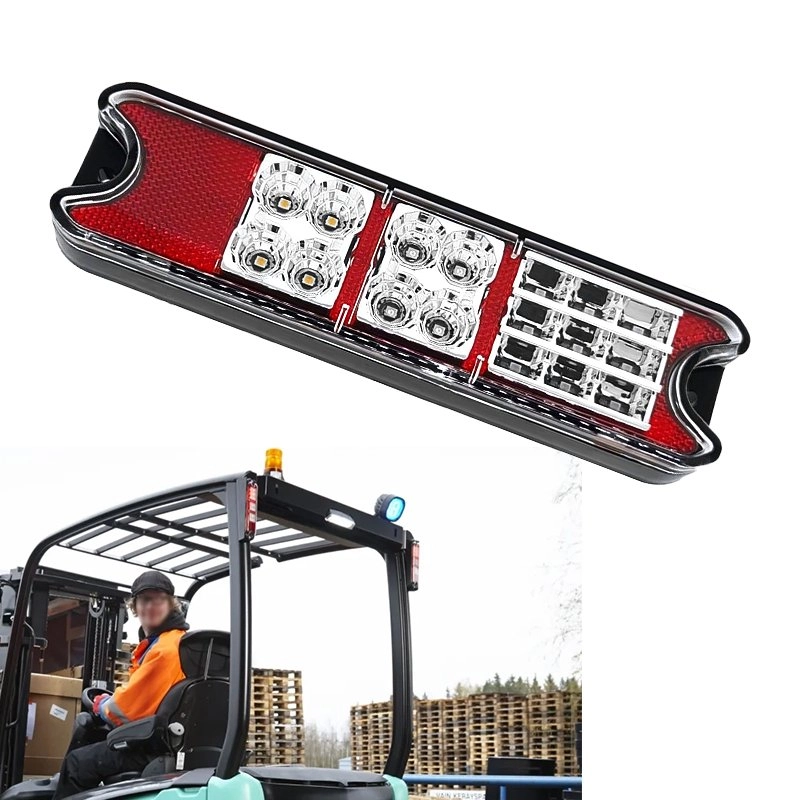
Trailer lighting does not die of old age; it dies of the environment. Roof and flank lamps sit at the highest, wettest, most vibrated points on the vehicle, where corrosion and shock do the damage. An incandescent lamp is a fragile glass envelope with a filament that thermal-shocks each time it is energised, sealed only as well as its gasket — a poor match for that environment. A properly built LED running light is a potted solid-state assembly with no filament to break and an immersion-grade seal, which is why the honest exterior specification for these positions is a sealing class like IP68 and a production stage that tests the seal rather than samples it.
The electrical side reinforces it. Because LED draws far less current, the harness and grounds see less heat and less voltage drop, and cold-crank and load-dump transients are absorbed by a regulated driver rather than punishing a filament. On mixed 12 V and 24 V platforms a true wide-input driver (9–36 V) means one lamp part number serves the whole fleet — the compatibility logic is laid out in our wide-voltage explainer. Fewer part numbers, fewer sockets stressed, fewer lamps failing: that is the mechanism behind the maintenance savings above.
How To Frame The Business Case For Your Fleet
Fleet conversion decisions rarely get approved on a general promise of savings; they get approved on a number the maintenance director can defend. The honest way to build that number for a running-light upgrade is not to guess a fuel percentage but to price the failure you are removing. Start by counting the position lamps on a representative trailer and tractor — clearance front and rear, roof identification, the side-marker run, and the tail cluster — because that total is your replacement surface. Then take your current annual cost per lamp: the part, the labour hours to reach and swap it, and, most importantly, the roadside and downtime cost of the ones that go dark between inspections. Multiply the historical failure rate by the cost of a single event, and the LED conversion pays against a real figure rather than a hoped-for one.
Two cautions keep that case credible. First, the driver of the number is labour and violations, not the lamp price — sealed LED units usually cost more up front than the incandescent parts they replace, and a business case that pretends otherwise will not survive a purchasing review. Second, the conversion only removes the lamp-side failure; if your trailers have corroded grounds and unsealed splices, a new LED will simply inherit the bad circuit and the ticket will read “dark lamp” again. Budget the diagnostic pass on the wiring as part of the conversion, or you will spend the maintenance savings you are trying to create.
Converting Like-For-Like And Staying Compliant
An upgrade that changes the wrong variable creates a compliance problem instead of solving a maintenance one. The rules for a clean conversion:
- Keep colour and position. FMVSS 108 assigns colour by direction — white forward, red rearward, amber at the sides and roof — and position by vehicle width and length. Replace like-for-like; the position-by-position prescription is detailed in our FMVSS 108 marker placement guide.
- Match the connector family. Roadside serviceability depends on the replacement lamp dropping into the existing harness. Choose LED units whose connector and mounting centres match the rest of the trailer’s lighting system — the system-level buying order is in the semi truck lighting guide.
- Do not skip the ground. When converting a run, clean and re-bond the ground stud. LED is less tolerant of a poor ground than a filament was, and a corroded circuit will make a brand-new LED lamp look defective.
- Specify sealed, not “weather-resistant.” Ask which production stage tests the seal and whether every unit passes it. The failure you are trying to end is water at the connection and inside the housing.
For importers and larger fleets, the documentation habit that protects the upgrade is the same one that governs any XRLL component family: ISO9001 quality management since 2015, E-mark (E9) approvals on vehicle-component families, DOT-relevant test documentation, CE and ROHS are maintained per family, and the report references for the specific lamp part numbers should be requested and filed before the first truck is converted. A conversion is only as defensible at inspection as the paperwork behind the lamps.
Price a fleet-wide running-light conversion
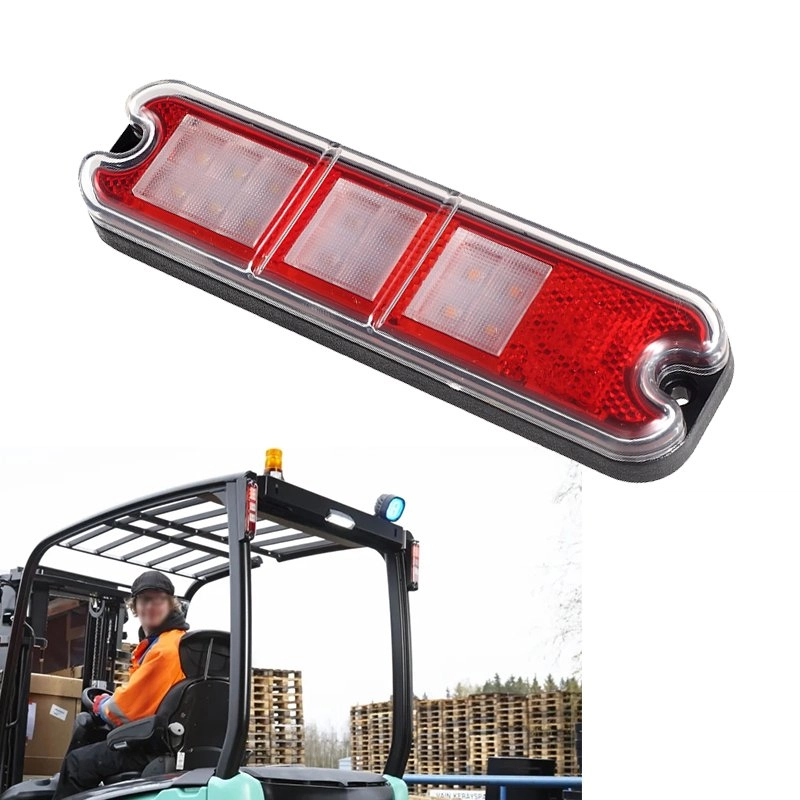
Send your trailer counts, current lamp types and destination markets. XRLL maps a like-for-like, sealed, wide-voltage replacement family across your marker, clearance and tail positions — connector and mounting standardised fleet-wide, with per-family documentation, OEM options and a quote within 24 ساعات.
Frequently Asked Questions
Do LED running lights save meaningful fuel on a semi truck?
Not as a headline number. LED draws far less current than incandescent, so it does reduce alternator load and the small fuel penalty that comes with it — but at the wattage of marker and clearance lamps that saving is minor. Build the case on maintenance labour, replacement lamps and avoided roadside violations, not on fuel.
Why do running and marker lights fail more than other truck lamps?
Duty cycle and environment. They burn every operating hour, so an incandescent filament reaches its rated life on a schedule, and they sit at the highest, wettest and most-vibrated points on the vehicle. The combination of constant thermal cycling and water and shock at the mount is why position lamps head the failure list. A sealed solid-state LED removes both the filament and, if properly potted and sealed, the water path.
What should I check when converting incandescent markers to LED?
Keep colour and position identical so you stay FMVSS 108 compliant, match the connector family to the harness for roadside service, and clean and re-bond the ground stud while you are in the circuit. Because LED is less tolerant of a poor ground than a filament, a corroded ground makes a new LED look defective — fix the circuit during the conversion, not after.
Will LED running lights survive the wash bay and weather?
Only if the sealing is specified, not assumed. A potted, gasketed solid-state unit rated for immersion (IP68 as the honest exterior standard) survives pressure-washing and standing water; “weather-resistant” marketing language does not survive a specification review. Ask which production stage tests the seal and whether every unit or only samples pass it.
Can one LED running-light part serve both 12 V and 24 V trucks?
نعم, if it uses a regulated wide-input driver that runs a true 9–36 V range. That is the practical way to carry a single lamp part number across a mixed 12 V and 24 V fleet and ride out cold-crank sag and load-dump transients that shorten a fixed-voltage driver’s life. Specify the input range explicitly rather than a nominal 12 V or 24 V lamp.


