Truck Auxiliary Lighting Types: Spot, Flood and Combo Beam Selection
A distributor who stocks “truck auxiliary lights” as one category gets asked the same three questions by every fleet buyer: how far does it throw, how wide does it spread, and will it blind oncoming traffic when it is pointed the wrong way. The answers all come down to beam pattern, and the vocabulary fleets use — spot, flood, combo — is really a shorthand for how the optics shape the light. Getting truck auxiliary lighting types specified correctly at the purchase-order stage is what separates a lighting kit that earns its keep on night runs and dock aprons from one that ends up in a returns pallet. This guide walks through each pattern, where it belongs on the vehicle, and the mounting, aiming and compliance discipline a B2B buyer has to write into the specification.
Key Takeaways
- Spot (also called driving) beams concentrate output into a narrow hot spot for throw distance; flood (also called wide or work) beams spread output across a broad, short rectangle; combo lenses combine a central hot spot with a wide surround in one housing.
- Throw and spread trade against each other: total lumens say how much light a fixture makes, but beam geometry decides how much of it lands where the driver needs it.
- Mounting height, aiming angle and the vehicle’s work cycle decide which pattern fits — a cab-mounted light behaves completely differently from a bumper- or rack-mounted one.
- Auxiliary beams are not position lamps. In the US market they are off-road or scene lighting unless separately certified, and mixing them up with FMVSS 108 required lamps is a common and expensive specification error.
- For distributors, the practical range is small: one driving/spot SKU, one wide flood SKU, one combo SKU, and fog or scene units where the market asks — covering the overwhelming majority of fleet use cases without dead stock.
Reading a Beam: Hot Spot, Wall, Spread
Every forward-facing truck beam is a negotiation between three zones. The hot spot is the bright core that reaches furthest; the wall is the vertical band of light at the mid distance that reveals the road edge; the spread is the width of usable light close to the vehicle. Optics — the reflector cup or the TIR lens in front of each LED — decide how output is divided between those zones. This is why two fixtures with the same chip count and similar wattage can feel completely different on the road: one is spending its lumens on distance, the other on width.
Two numbers help buyers compare honestly. Lumens measure total output. Candela measures intensity in the strongest direction, which is what actually predicts throw — a beam’s reach is proportional to the square root of its peak candela. A datasheet that quotes only lumens is telling you how much light the fixture makes, not what it does for a driver. Ask for beam-angle figures (the horizontal and vertical spread where usable light ends) alongside output, and treat any supplier who cannot provide them as selling by slogan.
Spot and Driving Beams: Choosing Throw
A spot beam packs most of its output into a narrow hotspot, typically with a horizontal spread in the teens to low thirties in degrees. The trade is obvious: what the driver sees far down the road, the lamp cannot show at the fence line beside the cab. Spots belong on vehicles that spend meaningful time moving at speed on open, unlit roads — long-haul tractors adding light above the sun visor, pickup and flatbed crews running highway at night, patrol and tow operators working unlit stretches between calls.
Mounting matters as much as the lens. A high-mounted spot on a cab bracket or roof rack keeps its beam over the terrain that swallows low light, and throws further on the same watts. The price is glare discipline: the higher and narrower the beam, the more a poorly aimed unit turns into a hazard for oncoming drivers and for the driver’s own rearview mirror. Every spot you ship should come with aiming guidance, and every installation you supervise should end with a headlight-aim check on level ground.
Flood Beams: Choosing Width
Flood optics invert the priority. Output spreads into a wide, relatively short rectangle — often in the 60-to-120-degree ballpark horizontally — lighting the working ground around the vehicle rather than the horizon. This is what fleets mean when they say “work light”: loading docks, yard manoeuvring, tailgate unloading, trailer inspection, agricultural and construction aprons around the machine.
Floods fail in exactly one way: bought for highway use. A wide beam wastes most of its output skyward and sideways at 90 km/h, giving the driver glare without distance. For stationary or low-speed work — and especially for the rear-facing and cab-down applications where the light’s job is to make hands and ground safe — the same wasted width becomes the point. Fog lamps deserve a note here as a flood cousin: a flat, wide beam mounted low, engineered to light under the fog layer instead of reflecting back off it. They pair with clear days as often as foggy ones, which is why truckers buy them as yard and rain lamps.
Combo Beams: One Fixture, Two Jobs
Combo lenses put a central hot spot inside a wide surround, typically by mixing LED rows or optics columns in one housing. The result is a compromise with both endpoints — shorter throw than a dedicated spot, narrower spread than a dedicated flood — and for a lot of buying situations that compromise is the right product. Regional haul fleets that hit open road at dusk and job-site aprons by midnight, service trucks that cannot mount a six-lamp array, and distributors limited to one or two SKUs per vehicle category all land naturally on combo. When you specify one, read the beam pattern image on the datasheet, not the marketing name: “combo” covers everything from a real 60/40 split to a spot with a token wide ring.
Matching Pattern to Duty Cycle
| Beam type | What it does with the light | Best-fit duty | Typical mounting | Buyer caution |
|---|---|---|---|---|
| Spot / driving | Concentrates output into a narrow hotspot for distance | Night highway running on open, unlit roads | Cab, visor or rack — high and forward | Glare if aimed wrong; useless at close range |
| Flood / wide / work | Spreads output in a broad, short rectangle | Dock work, yard manoeuvring, tailgate loading, site aprons | Bumper, headlight grilles, cab-down, rear racks | Bought for highway by mistake; washes out distance |
| Combo / hybrid | Central hotspot plus wide surround in one housing | Mixed-road fleets; single-unit replacements | Cab or grille, aimed slightly down | Verify the hotspot/surround split from the beam photo |
| Fog | Flat, wide beam with a sharp vertical cutoff | Fog, rain, dust; low yard and loading work | Low — bumper or bull bar | High mounting defeats the cutoff; check amber/white market rules |
| Scene / area | Wide output aimed sideways or down at a work zone | Tow booms, service bodies, crew-side work after dark | Side rails, boom arms, cargo boxes | Not a forward driving lamp; wire to a controlled switch |
Compliance and Wiring: The Line Fleets Must Not Blur
Here is where an auxiliary-light conversation becomes a procurement risk. The lamps that make a truck legal on public roads — headlamps, tail lamps, markers, clearance and identification lamps — are governed in the US market by FMVSS 108, and spot, flood and combo auxiliary units are not part of that system. They are scene and off-road equipment: switch-controlled, aimed so they do not blind other drivers, and never wired to replace a required function. What a required position lamp has to be, where it sits, and how the paperwork works is covered in our semi truck lighting guide, and the importer-side documentation checks in the DOT and FMVSS 108 verification explainer. Sell auxiliary beams as auxiliary, and your customers keep their vehicles — and their insurance arguments — intact.
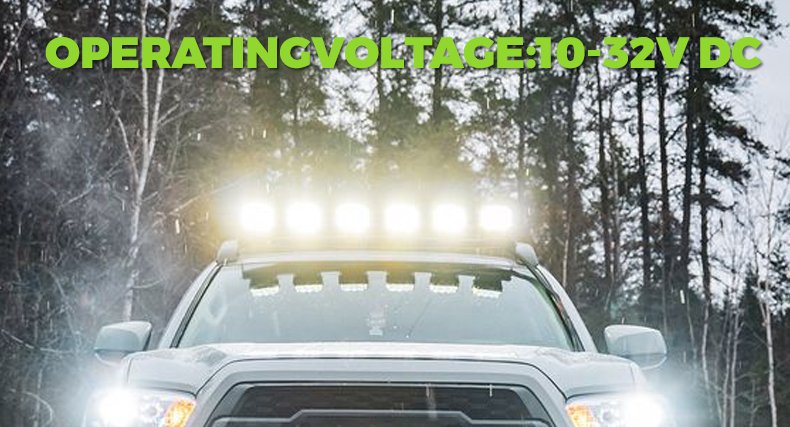
Wiring is the second half of the specification. Auxiliary beams draw real current, so the ask list should include controlled switched circuits with correctly rated fuse or breaker protection, relayed or data-interface harnesses rather than splice-and-pray leads, and connectors sealed against the wash bay. For mixed 12 V and 24 V fleets, an input range that tolerates both — and the transients between them — removes a whole class of early field failures; the mechanics of that are in our wide-voltage fleet compatibility guide.
How to Build the Range: Advice for Distributors
Stocking truck lighting by pattern, rather than by every fixture shape on the market, keeps working capital honest. The fleet reality clusters fast: highway and patrol buyers take spots; dock, yard and utility buyers take floods; mixed regional fleets take combos; weather markets add fogs; tow and service bodies add scene units. Four or five well-priced SKUs across those roles covers the majority of reorders in most markets. Beyond pattern, three specification lines decide whether the range survives contact with your warranty file: housing and sealing quality (vibration and water are what kill these lamps on trucks), driver input range and protection, and cable/connector quality at the vehicle end. The fixture-level choices — bar lengths, mounting, current draw — are worked through in our truck light bar selection guide, and the mounting specifics for hook-and-tow applications in the tow truck light bar guide.
For brand owners importing under their own label, beam pattern is also a differentiation lever that costs almost nothing. Bin consistency across the surround rows, a real cutoff on fog units, and honest beam-angle data on the spec sheet read as engineering credibility to fleet buyers — and they are the claims a competitor quoting only wattage cannot match.
Specify the beam before you specify the order
Send us your duty-cycle profile — highway versus yard hours, mounting positions, 12 V or 24 V — and XRLL will map it to spot, flood, combo and fog SKUs with beam-angle data on every sheet. OEM/ODM supported, sample confirmation before production, quote within 24 ساعات.
Frequently Asked Questions
What is the difference between spot, flood and combo beams?
A spot beam concentrates output into a narrow hotspot for throw distance. A flood beam spreads the same kind of output across a wide, short rectangle for close-range work. A combo fixture does both at once — a central hotspot surrounded by a wide wash — trading a little distance and a little width for versatility in a single housing.
Are spot lights the same as driving lights?
In truck usage the terms overlap. “Driving light” describes the job — extending forward visibility at speed on unlit roads — and a spot or mid-spot beam is how that job is performed. Fog and flood units are not driving lights; they are built for low visibility at low speed and wash out at distance.
Can auxiliary spot or flood lamps replace headlamps legally?
لا. Required road lighting — headlamps, tail, marker and clearance lamps — is governed by FMVSS 108 in the US market and ECE rules in Europe. Auxiliary spot, flood, combo and fog units are treated as off-road or scene equipment: they must run from a controlled switch and be aimed so they do not blind other drivers. The roles never swap.
Which beam pattern should a mixed-use fleet standardise on?
Combo, in most cases. Vehicles that split time between open road and yard or dock work get usable performance at both ends from one fixture, and standardising on one pattern cuts spare-parts complexity. Fleets with extreme profiles — mostly night highway or mostly stationary work — should still buy dedicated spots or floods for their dominant duty.
What data should a distributor demand before stocking a beam pattern?
Beam-angle figures (horizontal and vertical spread), peak candela or a photometric distribution alongside raw lumens, a real beam-pattern photo, the operating voltage range, and the sealing and vibration evidence for the housing. A datasheet that leads with wattage alone is telling you what the fixture consumes, not what it delivers on the vehicle.


